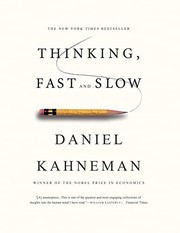
Thinking, fast and slow
Daniel Kahneman's "Thinking, Fast and Slow" explains how two distinct mental systems shape our judgments and decisions, offering insights into th...
Is this book similar?
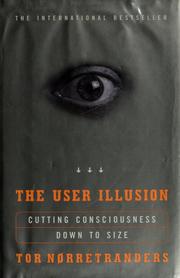
Books like this one
Tor Nørretranders’ *The User Illusion* examines the physiological and cognitive mechanisms that shape human perception. Drawing on neuro‑scientific research, he argues that the aspects of consciousness we instinctively reject are the most valuable parts of ourselves. By encouraging readers to engage all their senses and step outside habitual thought patterns, he suggests we can access a fuller, more authentic experience of life. The book blends insights from psychology, neuroscience, and philosophy to present a compelling case for re‑examining what it means to be conscious and to process information.
Discover your next read
Compare books other readers have recommended. Vote to help improve these suggestions.
Looking for more books like The user illusion by Tor Nørretranders? This list brings together suggested alternatives and feedback from SimilarBooks readers. Ratings reflect what readers think of each individual book, while the Yes and No votes show whether visitors consider it a good match for this title. Compare the recommendations below and suggest another book to help fellow readers discover their next read.
Daniel Kahneman's "Thinking, Fast and Slow" explains how two distinct mental systems shape our judgments and decisions, offering insights into th...

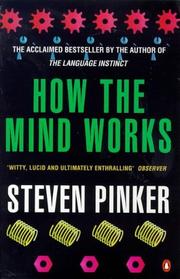
Steven Pinker’s acclaimed book offers an erudite exploration of the human mind, tracing its computational and evolutionary roots while examining ...

The story of neuroscience

In ‘Being You,’ Anil Seth argues that consciousness emerges from the brain’s predictive processing—continually generating hypotheses about sensor...



Zen and the Brain explores how Buddhist meditation shapes brain function, blending cutting‑edge neuroscience with the author’s personal Zen pract...
vi, 289 p. : 23 cm

Roger Penrose explores the limits of computation, quantum mechanics, and microbiology to argue that consciousness may transcend current scientifi...
New York Times reviewed, Physiological aspects, Brain, Filosofische aspecten, Intellect
Community ratings describe each book independently. Similarity votes measure whether readers consider a recommendation a good match for this particular title; results can change as more visitors share feedback.
Suggest another book below, or vote Yes or No on any existing recommendation.
Share your suggestion →Readers make discovery better
Share a recommendation and help other readers discover their next great read.