Books like Why We Eat What We Eat by Elizabeth D. Capaldi

First publish date: 1996
Genre: Psychology/General Psychology
Authors: Elizabeth D. Capaldi
★ ★ ★ ★ ★ 0.0 (0 community ratings)

Why We Eat What We Eat by Elizabeth D. Capaldi

How are these books recommended?

The books recommended for Why We Eat What We Eat by Elizabeth D. Capaldi are shaped by reader interaction. Votes on how closely books relate, user ratings, and community comments all help refine these recommendations and highlight books readers genuinely find similar in theme, ideas, and overall reading experience.


Have you read any of these books?
Your votes, ratings, and comments help improve recommendations and make it easier for other readers to discover books they’ll enjoy.

Books similar to Why We Eat What We Eat (9 similar books)
In Defense of Food by 9690938|Michael Pollan book cover

πŸ“˜ In Defense of Food

Michael Pollan explains why eating plain, plant‑based food, in reasonable portions, is the best way to stay healthy and avoid modern diet problems.

β˜…β˜…β˜…β˜…β˜…β˜…β˜…β˜…β˜…β˜… 4.1 (34 ratings)
Similar? ✓ Yes 0 ✗ No 0
Fast Food Nation by 4574790|Eric Schlosser book cover

πŸ“˜ Fast Food Nation

An investigative look at how fast‑food has reshaped postwar America’s food habits, labor practices, and cultural identity.

β˜…β˜…β˜…β˜…β˜…β˜…β˜…β˜…β˜…β˜… 4.3 (26 ratings)
Similar? ✓ Yes 0 ✗ No 0
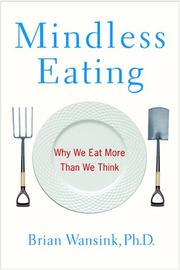
Mindless Eating by 7078611|Brian Wansink book cover

πŸ“˜ Mindless Eating

Food psychologist Brian Wansink reveals the subtle cues that drive how much, what, and why we eat, offering practical strategies to turn hidden influences into healthier, more mindful eating habits.

β˜…β˜…β˜…β˜…β˜…β˜…β˜…β˜…β˜…β˜… 4.4 (5 ratings)
Similar? ✓ Yes 0 ✗ No 0
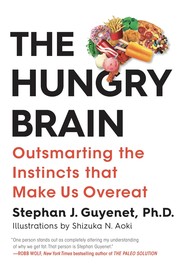
The hungry brain by 11961540|Stephan J. Guyenet book cover

πŸ“˜ The hungry brain

The Hungry Brain explains how ancient brain circuits drive overeating and offers science‑based strategies to beat cravings, reduce weight, and improve health.

β˜…β˜…β˜…β˜…β˜…β˜…β˜…β˜…β˜…β˜… 4.5 (2 ratings)
Similar? ✓ Yes 0 ✗ No 0
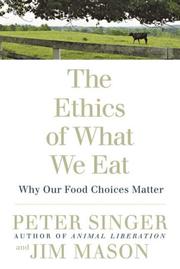
The Ethics of What We Eat by 8672207|Jim Mason book cover

πŸ“˜ The Ethics of What We Eat
 by Jim Mason

*from the publisher:* Peter Singer, the groundbreaking ethicist whom The New Yorker calls the most influential philosopher alive teams up again with Jim Mason, his coauthor on the acclaimed Animal Factories, to set their critical sights on the food we buy and eat: where it comes from, how it is produced, and whether it was raised humanely. The Ethics of What We Eat explores the impact our food choices have on humans, animals, and the environment. Recognizing that not all of us will become vegetarians, Singer and Mason offer ways to make healthful, humane food choices. As they point out: You can be ethical without being fanatical. Praise β€œAn absolutely indispensable book for anyone who thinks about what they eat … I cannot recommend it highly enough.” β€”Jeffrey Moussaieff Masson, author of When Elephants Weep and Raising the Peaceable Kingdom β€œ. . . vital, urgent, and disturbing.” β€”Dorothy Kalins, New York Times β€œ. . . clear and persuasive.” β€”Susan Salter Reynolds, Los Angeles Times β€œA no-holds-barred treatise on ethical consumption.” β€”Publishers Weekly

β˜…β˜…β˜…β˜…β˜…β˜…β˜…β˜…β˜…β˜… 0.0 (0 ratings)
Similar? ✓ Yes 0 ✗ No 0
The psychology of nutrition by 11617612|D. A. Booth book cover

πŸ“˜ The psychology of nutrition

Psychology of Nutrition is the first book to take a consistent psychological approach to all aspects of the selection and consumption of foods and drinks. This approach is based on the author's ground-breaking theory of the cognitive integration of influences on ingestion, which brings together research evidence on the sensory physiological, cultural and interpersonal factors in the desire to eat and drink. The basis of the theory is that ingestive appetite is a learned response to a complex of cues from foodstuffs, the body and the social and physical environment. The volume starts with infant/caregiver interactions in feeding, and then moves on to consider how physical and social maturation in western culture affects attitudes to foods, concentrating on the phenomena of ordinary dieting and the extremes of disordered eating. The concluding chapters deal with the processes within the lives of individual consumers which can cause the same eating habits to form in different segments of society, and consider the potential of psychology in effective food technology, marketing, and governmental regulation. In a lucid and absorbing style, the author tackles questions concerning what goes on in eaters' and drinkers' minds about the foods and beverages they are consuming and explores the cultural meaning of the eating occasion in industrialized cultures. Psychology of Nutrition illustrates and integrates the diversity of behavioural nutrition and thereby consolidates a new field of fundamental and practical research in one unique resource.

β˜…β˜…β˜…β˜…β˜…β˜…β˜…β˜…β˜…β˜… 0.0 (0 ratings)
Similar? ✓ Yes 0 ✗ No 0
Change the way you eat by 518976|Leanne Cooper book cover

πŸ“˜ Change the way you eat

Explore how psychological, social, and marketing forces shape our eating habits and discover practical strategies to reclaim control over food choices for lasting health and joy.

β˜…β˜…β˜…β˜…β˜…β˜…β˜…β˜…β˜…β˜… 0.0 (0 ratings)
Similar? ✓ Yes 0 ✗ No 0
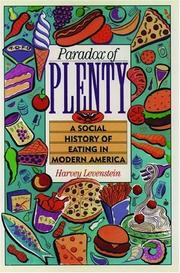
Paradox of Plenty by 8370725|Harvey A. Levenstein book cover

πŸ“˜ Paradox of Plenty

This remarkable book, the sequel to the author's Revolution at the Table (1988), analyses changes in the American diet and nutritional ideas from 1930 to the present. Much more than a study of eating habits, Paradox of Plenty is a sophisticated analysis of the dynamics of cultural change that deserves a wide audience among economic historians, political historians, women's historians, medical historians, and social historians. One of Levenstein's many perceptive insights is that the history of eating is inextricably tied up with a broader political economy and culture. With admirable balance, he carefully disentangles the roles of food producers and processors, home economists, faddists, nutritionists, and political pressure groups in shaping broader cultural ideas of nutrition and taste. As in his earlier book, the author shows how food experts repeatedly recommended major changes in diet on the basis of flimsy evidence. The book will prove to be a valuable source of information on regulation of the food industry; changes in food distribution, processing, packaging, and preservation; and consumption patterns and food budgets among various ethnic and socio-economic groups. Carefully attentive to social class, Paradox of Plenty shows how food became a less important marker of social distinction between the 1930s and the 1960s, only to assume renewed symbolic importance in the 1970s and 1980s. Similarly sensitive to gender issues, the book charts the changing the role of food preparation in assessments of women's success as wives and mothers, the growing mania for slimness, and the impact of the increasing number of working mothers on American dining habits. The book's title, a variant on David Potter's People of Plenty, underscores two of Levenstein's central themes: persistent public concern over the extent of hunger and malnutrition in the midst of agricultural abundance and periodic American obsessions with dieting and obesity. The Depression highlighted both of these themes: the 1930s not only witnessed a growing political debate about the causes of and cures for malnutrition; it also saw a growing cultural obsession among the middle class with weight loss and vitamins. The book's core is a systematic examination of how major events of the twentieth century intersected with changing eating habits and ideas about food. The Depression, for example, encouraged a renewed emphasis on home cooking and an uncomplicated, straightforward cuisine. World War II spurred a heightened concern with poor nutrition. The early post-war era witnessed heightened fears of additives, pesticides, cholesterol, and saturated fats. Especially enlightening is Levenstein's, discussion of the growing cultural interest in health and organic foods during the 1960s and 1970s and the ways this was linked to broader countercultural values.

β˜…β˜…β˜…β˜…β˜…β˜…β˜…β˜…β˜…β˜… 0.0 (0 ratings)
Similar? ✓ Yes 0 ✗ No 0
Devoured by 11955687|Sophie Egan book cover

πŸ“˜ Devoured

An examination of how our food choices are shaped by convenience, brand culture, personal preferences, and workplace meals, revealing the deeper meanings behind everyday diet decisions.

β˜…β˜…β˜…β˜…β˜…β˜…β˜…β˜…β˜…β˜… 0.0 (0 ratings)
Similar? ✓ Yes 0 ✗ No 0

Some Other Similar Books

The Omnivore's Dilemma by Michael Pollan
Food Rules: An Eater's Manual by Michael Pollan
Cooked: A Natural History of Transformation by Michael Pollan
The Mindful Carnivore by Uma Valeti
Sustainable Food Systems by Tony W. L. Quested

Have a similar book in mind? Let others know!

Please login to submit books!