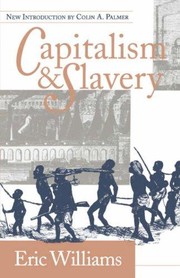
Capitalism & Slavery
Eric Williams’s Capitalism & Slavery examines how the trans‑Atlantic slave trade, organized by Europeans from the 16th to 19th centuries, was a f...
Is this book similar?
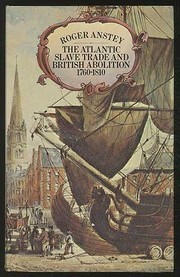
Books like this one
Few phenomena of modern history have cast so long a shadow as that of black slavery or branded themselves so deeply in the historical consciousness of both Africa and the Western world. Inevitably it has left a trail of controversy, not least among historians, who take violently opposed views of the internal effects of the slave trade upon Africa, who magnify or disparage its role in the Atlantic economy, and who assign widely differing explanations of British moves to secure its abolition. It is symptomatic of the paradox of much of our contemporary intellectual culture that under the influence of historical materialism it should instinctively deny an autonomous role to ideology while remaining itself so ideologically oriented. Yet the central statement of this viewpoint, Eric Williams' celebrated Capitalism and Slavery, undoubtedly threw a salutary douche of cold water over the smug complacency that had hitherto infected the received accounts of British abolition. The argument that British abolition, far from being an act of pure disinterested benevolence, fell into line with the country's economic interests and with the change from commercial to industrial capitalism has never been fully countered. The more exaggerated elements in his thesis have been duly assailed. That the profits of the slave trade should have been sufficiently large and well-directed to power the Industrial Revolution is a hypothesis as far-fetched as that which sees the wealth accumulated from the plunder of Bengal after the battle of Plassey as the main source of investment capital. Yet when purged of such exaggerated claims Williams' argument remains formidable. As D. B. Davis has acknowledged: "It is ... difficult ... to get around the simple fact that no country thought of abolishing the slave trade until its economic value had considerably declined." - Foreword.
Discover your next read
Compare books other readers have recommended. Vote to help improve these suggestions.
Looking for more books like The Atlantic slave trade and British abolition, 1760-1810 by Roger Anstey? This list brings together suggested alternatives and feedback from SimilarBooks readers. Ratings reflect what readers think of each individual book, while the Yes and No votes show whether visitors consider it a good match for this title. Compare the recommendations below and suggest another book to help fellow readers discover their next read.
Eric Williams’s Capitalism & Slavery examines how the trans‑Atlantic slave trade, organized by Europeans from the 16th to 19th centuries, was a f...
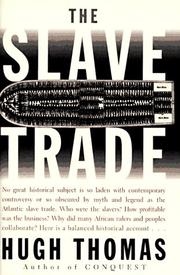
A comprehensive and vividly alive history of the transatlantic slave trade.

An updated comprehensive study of African slavery from the fifteenth to the early twentieth centuries, exploring indigenous slave systems within ...
Commerce, United Kingdom, Great Britain, International trade, Business / Economics / Finance, Slave trade
Community ratings describe each book independently. Similarity votes measure whether readers consider a recommendation a good match for this particular title; results can change as more visitors share feedback.
Suggest another book below, or vote Yes or No on any existing recommendation.
Share your suggestion →Readers make discovery better
Share a recommendation and help other readers discover their next great read.