Thinking, fast and slow
Daniel Kahneman's "Thinking, Fast and Slow" explains how two distinct mental systems shape our judgments and decisions, offering insights into th...
Is this book similar?

Books like this one
In *Suspicious Minds*, historian and psychologist Rob Brotherton traces the rise of conspiracism across time, linking it to cognitive quirks, emotional drives, and social dynamics that make unverified theories compelling. Drawing on research from social psychology and personality theory, he explores how these beliefs shape collective attitudes and contribute to societal consequences.
Discover your next read
Compare books other readers have recommended. Vote to help improve these suggestions.
Looking for more books like Suspicious minds by Rob Brotherton? This list brings together suggested alternatives and feedback from SimilarBooks readers. Ratings reflect what readers think of each individual book, while the Yes and No votes show whether visitors consider it a good match for this title. Compare the recommendations below and suggest another book to help fellow readers discover their next read.
Daniel Kahneman's "Thinking, Fast and Slow" explains how two distinct mental systems shape our judgments and decisions, offering insights into th...

The Psychology of Everyday Things explores how design facilitates communication between objects and users, emphasizing intuitive guidance and use...

Carl Sagan’s classic work urges critical thinking, exposing the myths of pseudoscience—from witchcraft to UFOs—and arguing that scientific litera...
An engaging exploration of the 1854 London cholera outbreak and how Dr.
You are not so smart: The surprising stories behind your beliefs

Overestimates of violence beg the question: is modern society the most peaceful era? Steven Pinker argues that, through centuries of decline, vio...
Superforecasting shows how a small group of extraordinary predictors—ordinary people who combine evidence, probability, teamwork, and humility—be...

Exploring how our brain’s self‑justification keeps us from admitting mistakes, this book shows why we cling to wrong beliefs, how bias distorts m...

Maria Konnikova dissects the mind of con artists, uncovering motives, tactics, and the patterns that keep them successful—and how these tactics e...

Sam Harris argues that truthfulness can simplify our lives and strengthen society by dismantling the lies that support private vices and public e...

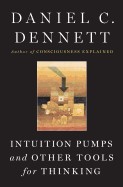
Daniel Dennett, one of the world's most original and provocative thinkers, takes readers on a profound, illuminating and highly entertaining phil...


iii, 171 p. ; 24 cm


Joel and Ian Gold weave real-life case studies with cutting‐edge neuroscience to chart how culture shapes the delusional brain, revealing the lin...


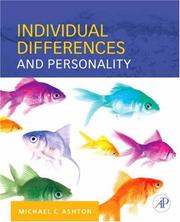

History, Social aspects, Psychology, New York Times reviewed, Psychological aspects
Community ratings describe each book independently. Similarity votes measure whether readers consider a recommendation a good match for this particular title; results can change as more visitors share feedback.
Suggest another book below, or vote Yes or No on any existing recommendation.
Share your suggestion →Readers make discovery better
Share a recommendation and help other readers discover their next great read.