Deals with a young girl's quest for reality and her eventual acceptance of the place of illusion in human existence.
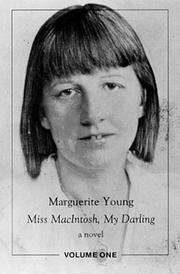
This novel is one of the most ambitious and remarkable literary achievements of our time. It is a picaresque, psychological novel--a novel of the road, a journey or voyage of the human spirit in its search for reality in a world of illusion and nightmare. It is an epic of what might be called the Arabian Nights of American life. Marguerite Young's method is poetic, imagistic, incantatory; in prose of extraordinary richness she tests the nature of her characters--and the nature of reality. Miss MacIntosh, My Darling is written with oceanic music moving at many levels of consciousness and perception; but the toughly fibred realistic fabric is always there, in the happenings of the narrative, the humor, the precise details, the definitions of the characters.
Miss MacIntosh herself, who hails from What Cheer, Iowa, and seems downright and normal, with an incorruptible sense of humor and the desire to put an end to phantoms; Catherine Cartwheel, the opium lady, a recluse who is shut away in a great New England seaside house and entertains imaginary guests; Mr. Spitzer, the lawyer, musical composer and mystical space traveler, a gentle man, wholly unsure of himself and of reality; his twin brother Peron, the gay and raffish gambler and virtuoso in the world of sports; Cousin Hannah, the horsewoman, balloonist, mountain-climber and militant Boston feminist, known as Al Hamad through all the seraglios of the East; Titus Bonebreaker of Chicago, wild man of God dreaming of a heavenly crown; the very efficient Christian hangman, Mr. Weed of the Wabash River Valley; a featherweight champion who meets his equal in a graveyard--these are a few who live with phantasmagorical vividness in the pages of Miss MacIntosh, My Darling.
The novel touches on many aspects of life--drug addiction, woman's suffrage, murder, suicide, pregnancy both real and imaginary, schizophrenia, many strange loves, the psychology of gambling, perfectionism; but the profusion of this huge book serves always to intensify the force of the central question: "What shall we do when, fleeing from illusion, we are confronted by illusion?" What is real, what is dream? Is the calendar of the human heart the same as that kept by the earth? Is it possible that one may live a secondary life of which one does not know? In every aspect, Miss MacIntosh, My Darling stands by itself--in the lyric beauty of its prose, its imaginative vitality and cumulative emotional power. It is the work of a writer of genius.
The books recommended for Miss MacIntosh, my darling by
Marguerite Young are shaped by reader interaction.
Votes on how closely books relate, user ratings, and community comments all help
refine these recommendations and highlight books readers genuinely find similar
in theme, ideas, and overall reading experience.
Have you read any of these books?
Your votes, ratings, and comments help improve recommendations and make it easier
for other readers to discover books they’ll enjoy.
Books similar to Miss MacIntosh, my darling (12 similar books)
Zora Neale Hurston’s Pulitzer‑winning novel follows Janie Crawford’s journey of self‑discovery and empowerment, mapping her search for love, independence, and identity against the backdrop of the African‑American South during the early 20th century.
In *To the Lighthouse*, Virginia Woolf follows the Ramsay family as they spend a summer at their Scottish holiday home, exploring the depths of memory, longing, and the changing dynamics of adult relationships. The novel blends lyrical prose with a keen awareness of transience.
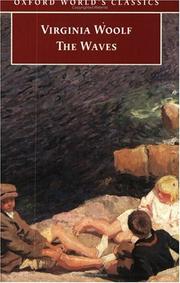
Virginia Woolf’s *The Waves* traces seven friends from childhood to middle age, intertwining their social milestones with a lyrical exploration of inner consciousness, identity, and self‑actualization.
A diary-like portrait of Anna, a young single mother, writer, and Communist Party member, whose inner and outer lives collide amid domestic upheaval and political turmoil, marking a watershed moment for the Women’s Movement.
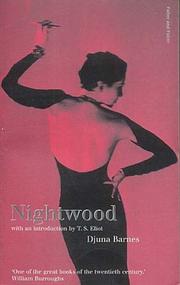
Nightwood traces the complex love affairs of Robin Vote as she moves through relationships with Felix Volkbein, Nora Flood, and Jenny Petherbridge, exploring erotic obsession and identity in a richly symbolic, New York Times–reviewed work of American fiction.
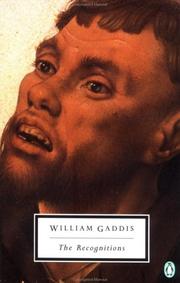
A philosophical novel about art forgery, following Wyatt Gwyon whose obsession with 17th-century Flemish masterpieces leads him to create astonishingly authentic forgeries.
In Kabul’s 2007, teenage Rahima and her sisters become invisible until she adopts the bacha paisha tradition to survive and study. A century earlier, her great‑aunt Shekiba followed the same path—two lives intertwined across time.
Annie O'Sullivan, a 32‑year‑old realtor in British Columbia, is abducted during an open house and later frees herself from a remote mountain cabin, confronting trauma, police inquiry and her own path to self‑realization.
Ruth, a young American living in London, navigates the pressures of city life, struggling with identity and the scrutiny of others while working in a department store.
When 40‑year‑old Delia Grinstead disappears while on a family vacation, her husband and children are left to confront a life suddenly empty. Tyler examines the quiet rupture of identity, relationships, and the longing for a fresh start.
At 53, a woman in a midlife crisis reflects on her youthful marriage to a widower with three daughters, a large house and a business, exploring identity and self‑actualization.