
The Overstory
A sweeping narrative of diverse characters linked by trees, exploring how they learn to see the hidden world of forests and join a fight to prese...
Is this book similar?
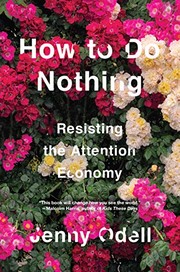
Books like this one
In ‘How to Do Nothing’, artist and critic Jenny Odell critiques the 24‑hour, data‑centric culture that prizes constant productivity. She proposes that by learning to pay deliberate, thoughtful attention—what she calls a new kind of attention—we can resist capitalist demands, engage more fully in our environment, and pursue richer concepts of happiness and progress. The book is presented as a practical field guide, outlining actions for reallocating mental bandwidth toward meaningful work, political participation, and creative expression in a technologically saturated society.
Discover your next read
Compare books other readers have recommended. Vote to help improve these suggestions.
Looking for more books like How to Do Nothing by Jenny Odell? This list brings together suggested alternatives and feedback from SimilarBooks readers. Ratings reflect what readers think of each individual book, while the Yes and No votes show whether visitors consider it a good match for this title. Compare the recommendations below and suggest another book to help fellow readers discover their next read.
A sweeping narrative of diverse characters linked by trees, exploring how they learn to see the hidden world of forests and join a fight to prese...
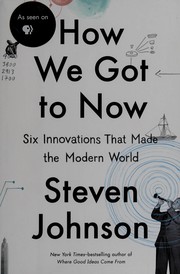
An illustrated exploration of the hidden history behind everyday inventions, showing how seemingly unrelated discoveries shaped our modern world.

Atlas of the Heart maps 87 emotions and core human experiences, offering a framework for cultivating deeper connection.

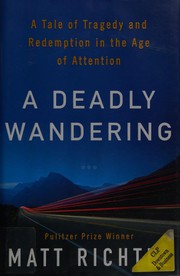
Matt Richtel examines the deadly rise of distracted driving, using a 2006 Utah crash that killed two rocket scientists to explore how cell‑phone ...
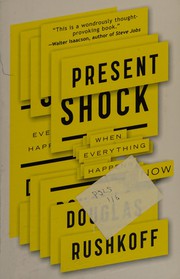
Douglas Rushkoff examines the rise of ‘presentism’—a culture that never pauses, driven by instant media and digital memory—warning that our const...


Thomas L.
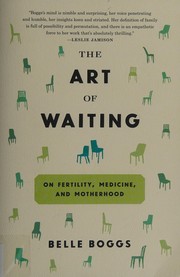
A comprehensive, personal memoir that examines fertility from medical, psychological, and political perspectives, offering insight into the chall...

Clive Thompson argues that the Internet and digital tools are making us smarter, better connected, and fostering new ways of learning and collabo...

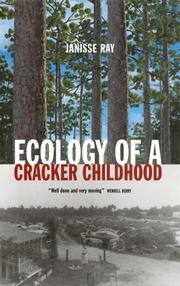
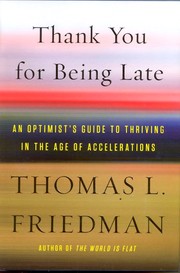
Thomas Friedman argues that the 21st century is shaped by the accelerating forces of technology, globalization, and climate change, urging reader...
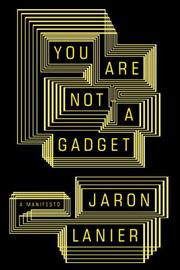
Jaron Lanier, pioneer of the Web, warns of the unintended social and cultural consequences of early design choices.
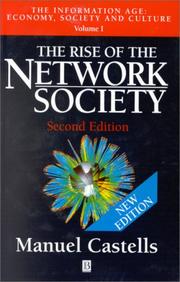
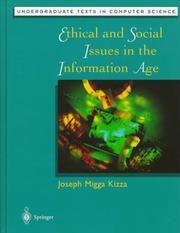
The rapid pace of change in computing demands a continuous review of our defensive strategies, and a strong ethical framework in our computer sci...

Are trees social beings? Forester and author Peter Wohlleben makes the case that, yes, the forest is a social network.

Sherry Turkle explores how technology reshapes empathy and human connection, drawing on her work with psychologists, women in tech, and social in...
Social aspects, Politics and government, New York Times reviewed, Arts, Philosophy
Community ratings describe each book independently. Similarity votes measure whether readers consider a recommendation a good match for this particular title; results can change as more visitors share feedback.
Suggest another book below, or vote Yes or No on any existing recommendation.
Share your suggestion →Readers make discovery better
Share a recommendation and help other readers discover their next great read.