Books like The end of overeating by David A. Kessler


First publish date: 2009
Genre: Health & Medicine/Nutrition & Diet
Authors: David A. Kessler
★ ★ ★ ★ ★ 3.5 (4 community ratings)

The end of overeating by David A. Kessler

How are these books recommended?

The books recommended for The end of overeating by David A. Kessler are shaped by reader interaction. Votes on how closely books relate, user ratings, and community comments all help refine these recommendations and highlight books readers genuinely find similar in theme, ideas, and overall reading experience.


Have you read any of these books?
Your votes, ratings, and comments help improve recommendations and make it easier for other readers to discover books theyโ€™ll enjoy.

Books similar to The end of overeating (8 similar books)

Omnivore's Dilemma. A Natural History of Four Meals by 9690938|Michael Pollan book cover

๐Ÿ“˜ Omnivore's Dilemma. A Natural History of Four Meals

Michaelย Pollan explores how modern food choicesโ€”industrial, organic, and foragedโ€”affect our health and the environment, revealing the complex ties between diet, ecology, and human evolution.

โ˜…โ˜…โ˜…โ˜…โ˜…โ˜…โ˜…โ˜…โ˜…โ˜… 4.2 (44 ratings)
Similar? ✓ Yes 0 ✗ No 0
Salt Sugar Fat by 11561132|Michael Moss book cover

๐Ÿ“˜ Salt Sugar Fat

Exploring how the food industryโ€™s reliance on salt, sugar, and fat fuels addictive eating habits, this book uncovers corporate strategies that have shaped modern diets and contributed to obesity, diabetes and other health crises.

โ˜…โ˜…โ˜…โ˜…โ˜…โ˜…โ˜…โ˜…โ˜…โ˜… 3.4 (5 ratings)
Similar? ✓ Yes 0 ✗ No 0
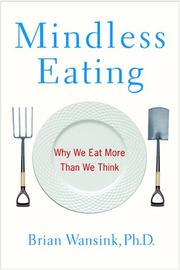
Mindless Eating by 7078611|Brian Wansink book cover

๐Ÿ“˜ Mindless Eating

Food psychologist Brian Wansink reveals the subtle cues that drive how much, what, and why we eat, offering practical strategies to turn hidden influences into healthier, more mindful eating habits.

โ˜…โ˜…โ˜…โ˜…โ˜…โ˜…โ˜…โ˜…โ˜…โ˜… 4.4 (5 ratings)
Similar? ✓ Yes 0 ✗ No 0
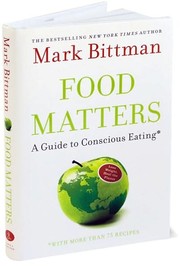
Food matters by 6603603|Mark Bittman book cover

๐Ÿ“˜ Food matters

Food Matters is a practical guide that blends Bittmanโ€™s minimalist cooking philosophy with environmental and health insights, outlining a diet built on sustainable, lowโ€‘impact food choices and a critical look at livestock production risks.

โ˜…โ˜…โ˜…โ˜…โ˜…โ˜…โ˜…โ˜…โ˜…โ˜… 3.2 (4 ratings)
Similar? ✓ Yes 0 ✗ No 0
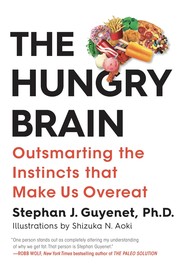
The hungry brain by 11961540|Stephan J. Guyenet book cover

๐Ÿ“˜ The hungry brain

The Hungry Brain explains how ancient brain circuits drive overeating and offers scienceโ€‘based strategies to beat cravings, reduce weight, and improve health.

โ˜…โ˜…โ˜…โ˜…โ˜…โ˜…โ˜…โ˜…โ˜…โ˜… 4.5 (2 ratings)
Similar? ✓ Yes 0 ✗ No 0
Fat Chance by 11561130|Robert H. Lustig book cover

๐Ÿ“˜ Fat Chance

Robert H. Lustig explains how modern food industry practices, especially the rise of added sugar, have reshaped human biochemistry and contributed to chronic disease, and offers scienceโ€‘based strategies to regain hormonal balance and improve health.

โ˜…โ˜…โ˜…โ˜…โ˜…โ˜…โ˜…โ˜…โ˜…โ˜… 0.0 (0 ratings)
Similar? ✓ Yes 0 ✗ No 0
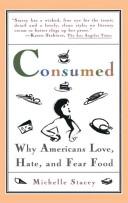
Consumed by 11584694|Michelle Stacey book cover

๐Ÿ“˜ Consumed

Explores how Americaโ€™s obsession with diet, health claims, and food technology has turned eating into a moral and medical battleground, often at the expense of pleasure.

โ˜…โ˜…โ˜…โ˜…โ˜…โ˜…โ˜…โ˜…โ˜…โ˜… 0.0 (0 ratings)
Similar? ✓ Yes 0 ✗ No 0
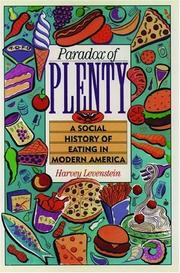
Paradox of Plenty by 8370725|Harvey A. Levenstein book cover

๐Ÿ“˜ Paradox of Plenty

This remarkable book, the sequel to the author's Revolution at the Table (1988), analyses changes in the American diet and nutritional ideas from 1930 to the present. Much more than a study of eating habits, Paradox of Plenty is a sophisticated analysis of the dynamics of cultural change that deserves a wide audience among economic historians, political historians, women's historians, medical historians, and social historians. One of Levenstein's many perceptive insights is that the history of eating is inextricably tied up with a broader political economy and culture. With admirable balance, he carefully disentangles the roles of food producers and processors, home economists, faddists, nutritionists, and political pressure groups in shaping broader cultural ideas of nutrition and taste. As in his earlier book, the author shows how food experts repeatedly recommended major changes in diet on the basis of flimsy evidence. The book will prove to be a valuable source of information on regulation of the food industry; changes in food distribution, processing, packaging, and preservation; and consumption patterns and food budgets among various ethnic and socio-economic groups. Carefully attentive to social class, Paradox of Plenty shows how food became a less important marker of social distinction between the 1930s and the 1960s, only to assume renewed symbolic importance in the 1970s and 1980s. Similarly sensitive to gender issues, the book charts the changing the role of food preparation in assessments of women's success as wives and mothers, the growing mania for slimness, and the impact of the increasing number of working mothers on American dining habits. The book's title, a variant on David Potter's People of Plenty, underscores two of Levenstein's central themes: persistent public concern over the extent of hunger and malnutrition in the midst of agricultural abundance and periodic American obsessions with dieting and obesity. The Depression highlighted both of these themes: the 1930s not only witnessed a growing political debate about the causes of and cures for malnutrition; it also saw a growing cultural obsession among the middle class with weight loss and vitamins. The book's core is a systematic examination of how major events of the twentieth century intersected with changing eating habits and ideas about food. The Depression, for example, encouraged a renewed emphasis on home cooking and an uncomplicated, straightforward cuisine. World War II spurred a heightened concern with poor nutrition. The early post-war era witnessed heightened fears of additives, pesticides, cholesterol, and saturated fats. Especially enlightening is Levenstein's, discussion of the growing cultural interest in health and organic foods during the 1960s and 1970s and the ways this was linked to broader countercultural values.

โ˜…โ˜…โ˜…โ˜…โ˜…โ˜…โ˜…โ˜…โ˜…โ˜… 0.0 (0 ratings)
Similar? ✓ Yes 0 ✗ No 0

Some Other Similar Books

Intuitive Eating: A Revolutionary Program That Works by Evelyn Tribole and Elyse Resch
Food and Addiction: A Comprehensive Guide by Kelly D. Brownell and Mark S. Gold
The Hungry Brain: Outsmarting the Instinct to Overeat by Stephan Guyenet
Mindful Eating: A Guide to Rediscovering a Healthy and Joyful Relationship with Food by Jan Chozen Bays
The Diet Trap: How to Overcome Your Weight Loss Plateaus by Birgit Streit Petersen
Savor: Mindful Eating, Mindful Life by Thich Nhat Hanh
Always Hungry? Conquer Cravings, Retrain Your Taste Buds, and Lose Weight Without Countings Calories by David Ludwig
Eat to Live: The Amazing Nutrient-Rich Program for Fast and Sustained Weight Loss by Joel Fuhrman
The Power of Habit: Why We Do What We Do in Life and Business by Charles Duhigg
Reset Your Eating Habits: A Practical Guide to Overcoming Overeating by Alan M. Anderson

Have a similar book in mind? Let others know!

Please login to submit books!