Books like Three Squares by Abigail Carroll


Food historian Abigail Carroll charts the dynamic history of American mealtime customs in Three Squares. Beginning with rustic, standing‑meal fare, she shows how the Industrial Revolution shortened midday breaks and birthed the modern three‑meal structure: quick breakfasts, lunch‑box lunches and sit‑down dinners. Carroll explores the rise of processed foods, the proliferation of snacking, and the influence of inventors, scientists and health trends on eating habits. By linking diet to social life and national identity, the book invites readers to reconsider how our meal patterns reflect—and may shape—the future of American cuisine.
First publish date: 2013
Genre: History/Modern History
Authors: Abigail Carroll
★ ★ ★ ★ ★ 0.0 (0 community ratings)

Three Squares by Abigail Carroll

How are these books recommended?

The books recommended for Three Squares by Abigail Carroll are shaped by reader interaction. Votes on how closely books relate, user ratings, and community comments all help refine these recommendations and highlight books readers genuinely find similar in theme, ideas, and overall reading experience.


Have you read any of these books?
Your votes, ratings, and comments help improve recommendations and make it easier for other readers to discover books they’ll enjoy.

Books similar to Three Squares (10 similar books)
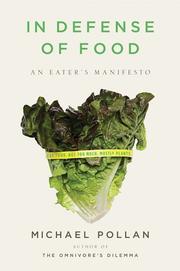
In Defense of Food by 9690938|Michael Pollan book cover

📘 In Defense of Food

Michael Pollan explains why eating plain, plant‑based food, in reasonable portions, is the best way to stay healthy and avoid modern diet problems.

★★★★★★★★★★ 4.1 (34 ratings)
Similar? ✓ Yes 0 ✗ No 0
Fast Food Nation by 4574790|Eric Schlosser book cover

📘 Fast Food Nation

An investigative look at how fast‑food has reshaped postwar America’s food habits, labor practices, and cultural identity.

★★★★★★★★★★ 4.3 (26 ratings)
Similar? ✓ Yes 0 ✗ No 0
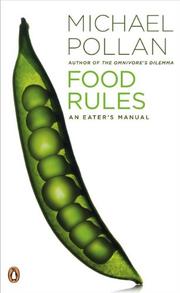
Food rules by 9690938|Michael Pollan book cover

📘 Food rules

A pocket‑sized guide from food activist Michael Pollan offering simple, memorable rules for eating wisely—drawing on diverse cultural traditions—to help readers become more mindful of their food choices.

★★★★★★★★★★ 3.6 (13 ratings)
Similar? ✓ Yes 0 ✗ No 0
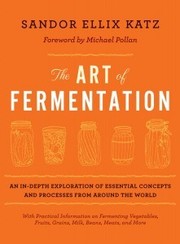
The Art of Fermentation by 7407323|Sandor Ellix Katz book cover

📘 The Art of Fermentation

The Art of Fermentation is a definitive guide that translates the science, history, and practical techniques of fermentation into clear, step‑by‑step instructions for beginners and experts alike.

★★★★★★★★★★ 4.4 (7 ratings)
Similar? ✓ Yes 0 ✗ No 0
Cooked by 9690938|Michael Pollan book cover

📘 Cooked

Michael Pollan traces the power of fire, water, air, and earth as he learns grilling, braising, baking, and fermentation, arguing that reclaiming cooking is vital for a healthier, more sustainable food system.

★★★★★★★★★★ 3.8 (6 ratings)
Similar? ✓ Yes 0 ✗ No 0
A square meal by 7028819|Jane Ziegelman book cover

📘 A square meal

"A Square Meal" traces how the Great Depression reshaped American food culture, from government‑led nutrition programs to the rise of processed foods and regional revivals.

★★★★★★★★★★ 4.0 (1 rating)
Similar? ✓ Yes 0 ✗ No 0
Listening Is an Act of Love by 7321622|Dave Isay book cover

📘 Listening Is an Act of Love
 by Dave Isay

Dave Isay curates the most compelling stories from StoryCorps’ vast oral‑history archive, weaving them into a revealing portrait of American life that celebrates the shared humanity behind every voice.

★★★★★★★★★★ 0.0 (0 ratings)
Similar? ✓ Yes 0 ✗ No 0
Food in Early Modern Europe (Food through History) by 7049715|Ken Albala book cover

📘 Food in Early Modern Europe (Food through History)
 by Ken Albala

This unique book examines food's importance during the massive evolution of Europe following the Middle Ages.

★★★★★★★★★★ 0.0 (0 ratings)
Similar? ✓ Yes 0 ✗ No 0
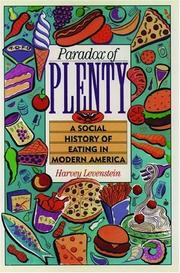
Paradox of Plenty by 8370725|Harvey A. Levenstein book cover

📘 Paradox of Plenty

This remarkable book, the sequel to the author's Revolution at the Table (1988), analyses changes in the American diet and nutritional ideas from 1930 to the present. Much more than a study of eating habits, Paradox of Plenty is a sophisticated analysis of the dynamics of cultural change that deserves a wide audience among economic historians, political historians, women's historians, medical historians, and social historians. One of Levenstein's many perceptive insights is that the history of eating is inextricably tied up with a broader political economy and culture. With admirable balance, he carefully disentangles the roles of food producers and processors, home economists, faddists, nutritionists, and political pressure groups in shaping broader cultural ideas of nutrition and taste. As in his earlier book, the author shows how food experts repeatedly recommended major changes in diet on the basis of flimsy evidence. The book will prove to be a valuable source of information on regulation of the food industry; changes in food distribution, processing, packaging, and preservation; and consumption patterns and food budgets among various ethnic and socio-economic groups. Carefully attentive to social class, Paradox of Plenty shows how food became a less important marker of social distinction between the 1930s and the 1960s, only to assume renewed symbolic importance in the 1970s and 1980s. Similarly sensitive to gender issues, the book charts the changing the role of food preparation in assessments of women's success as wives and mothers, the growing mania for slimness, and the impact of the increasing number of working mothers on American dining habits. The book's title, a variant on David Potter's People of Plenty, underscores two of Levenstein's central themes: persistent public concern over the extent of hunger and malnutrition in the midst of agricultural abundance and periodic American obsessions with dieting and obesity. The Depression highlighted both of these themes: the 1930s not only witnessed a growing political debate about the causes of and cures for malnutrition; it also saw a growing cultural obsession among the middle class with weight loss and vitamins. The book's core is a systematic examination of how major events of the twentieth century intersected with changing eating habits and ideas about food. The Depression, for example, encouraged a renewed emphasis on home cooking and an uncomplicated, straightforward cuisine. World War II spurred a heightened concern with poor nutrition. The early post-war era witnessed heightened fears of additives, pesticides, cholesterol, and saturated fats. Especially enlightening is Levenstein's, discussion of the growing cultural interest in health and organic foods during the 1960s and 1970s and the ways this was linked to broader countercultural values.

★★★★★★★★★★ 0.0 (0 ratings)
Similar? ✓ Yes 0 ✗ No 0
Consider the Lobster by 8786627|David Foster Wallace book cover

📘 Consider the Lobster


★★★★★★★★★★ 0.0 (0 ratings)
Similar? ✓ Yes 0 ✗ No 0

Some Other Similar Books

The Omnivore's Dilemma by Michael Pollan
The Soul of a New Cuisine by Laurent Tourondel
Salt: A World History by Mark Kurlansky

Have a similar book in mind? Let others know!

Please login to submit books!