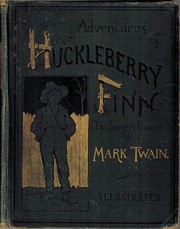
Adventures of Huckleberry Finn
Mark Twain’s classic novel follows the first-person narration of Huckleberry "Huck" Finn as he journeyes down the Mississippi River in 19th‑centu...
Is this book similar?
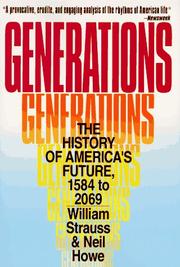
Books like this one
William Strauss and Neil Howe’s partnership began in the late 1980s when they began writing their first book Generations, which tells the history of America as a succession of generational biographies going back to 1584. Each had written on generational topics [...] The authors’ interest in generations as a broader topic emerged after they met in Washington, D.C., and began discussing the connections between each of their previous work. They wondered why Boomers and G.I.s had developed such different ways of looking at the world, and what it was about these generations’ growing up experiences that prompted their different outlooks. They also wondered whether any previous generations had acted along similar lines, and their research showed that there were indeed historical analogues to the current generations. The two ultimately identified a recurring pattern in Anglo-American history of four generational types, each with a distinct collective persona, and a corresponding cycle of four different types of era, each with a distinct mood. The groundwork for this theory was laid out in Generations in 1991. Strauss and Howe expanded on the theory and updated the terminology in The Fourth Turning in 1997. Generations helped popularize the idea that people in a particular age group tend to share a distinct set of beliefs, attitudes, values and behaviors because they all grow up and come of age during a particular period in history. In the mid-1990s, the authors began receiving inquiries about how their generational insights could help solve strategic problems in organizations. Strauss and Howe were quickly established as pioneers in a growing field, and started speaking frequently about their work at events and conferences. [excerpted from [Wikipedia, Strauss–Howe generational theory][1]] [1]: https://en.wikipedia.org/wiki/Strauss%E2%80%93Howe_generational_theory "Wikipedia, Strauss–Howe generational theory"
Discover your next read
Compare books other readers have recommended. Vote to help improve these suggestions.
Looking for more books like Generations by William Strauss? This list brings together suggested alternatives and feedback from SimilarBooks readers. Ratings reflect what readers think of each individual book, while the Yes and No votes show whether visitors consider it a good match for this title. Compare the recommendations below and suggest another book to help fellow readers discover their next read.
Mark Twain’s classic novel follows the first-person narration of Huckleberry "Huck" Finn as he journeyes down the Mississippi River in 19th‑centu...
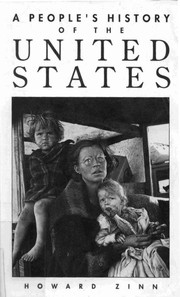
A compelling overview of American history through the eyes and experiences of its women, workers, African Americans, Native Americans, immigrants...

Craig of the Mohicans, a frontier scout turns away from civilization, forming a bond with a Mohican warrior as they escort two sisters across the...

Frederick Douglass’s gripping autobiography recounts his journey from enslaved child to influential abolitionist, exposing the brutal realities o...
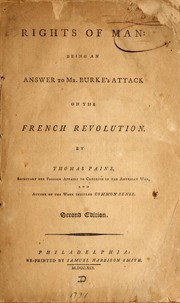
Thomas Paine's *Rights of Man* defends natural rights against Edmund Burke’s attacks on the French Revolution, arguing that rights derive from na...

Counter In commentary and quotations, computer dumps and cartoons, 13TH GEN is a multimedia anthem to the American post-boomer generation,our cou...

A sweeping social history of religion that explores the influence of the great monotheisms on the past and the modern world.

History, United states, history, Long Now Manual for Civilization, Histoire, Generations
Community ratings describe each book independently. Similarity votes measure whether readers consider a recommendation a good match for this particular title; results can change as more visitors share feedback.
Suggest another book below, or vote Yes or No on any existing recommendation.
Share your suggestion →Readers make discovery better
Share a recommendation and help other readers discover their next great read.