
The making of the atomic bomb
An exhaustive account of the discovery, design, and deployment of the atomic bomb, tracing its rapid development from early nuclear science to th...
Is this book similar?
Books like this one
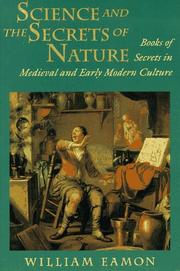
By explaining how to sire multicolored horses, produce nuts without shells, and create an egg the size of a human head, Giambattista Della Porta's Natural Magic (1559) conveys a fascination with tricks and illusions that makes it a work difficult for historians of science to take seriously. Yet, according to William Eamon, it is in the "how-to" books written by medieval alchemists, magicians, and artisans that modern science has its roots. These compilations of recipes on everything from parlor tricks through medical remedies to wool-dyeing fascinated medieval intellectuals because they promised access to esoteric "secrets of nature." To popular readers of the early modern era, they offered a hands-on, experimental approach to nature that made scholastic natural philosophy seem abstract and sterile. In closely examining this rich but little-known source of literature, Eamon reveals that printing technology and popular culture had as great, if not stronger, an impact on early modern science as did the traditional academic disciplines. Medieval interest in the secrets of nature was spurred in part by ancient works such as Pliny's Natural History. As medieval experimenters adapted ancient knowledge to their changing needs, they created their own books of secrets, which expressed the uncritical, empiricist approach of popular culture rather than the subtle argumentation of scholastic science. The crude experimental methodology advanced by the "professors of secrets" became for the "new philosophers" of the seventeenth century a potent ideological weapon in the challenge of natural philosophy.
Discover your next read
Compare books other readers have recommended. Vote to help improve these suggestions.
Looking for more books like Science and the secrets of nature by William Eamon? This list brings together suggested alternatives and feedback from SimilarBooks readers. Ratings reflect what readers think of each individual book, while the Yes and No votes show whether visitors consider it a good match for this title. Compare the recommendations below and suggest another book to help fellow readers discover their next read.
An exhaustive account of the discovery, design, and deployment of the atomic bomb, tracing its rapid development from early nuclear science to th...



The Structure of Scientific Revolutions by Thomas S. Kuhn.
History, Aspect social, Social aspects, Science, Philosophy
Community ratings describe each book independently. Similarity votes measure whether readers consider a recommendation a good match for this particular title; results can change as more visitors share feedback.
Suggest another book below, or vote Yes or No on any existing recommendation.
Share your suggestion →Readers make discovery better
Share a recommendation and help other readers discover their next great read.