Books like The Genius of Language by Wendy Lesser
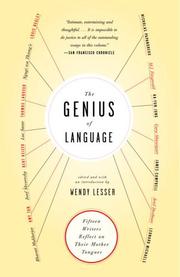

The Genius of Language is a collection of fifteen original essays by American writers that delve into the languages that have influenced their writing. These essays reflect on the mother tongues that shaped their English and the people who have become the writers they have become. The book serves as a reflection on the role of language in shaping identity and the power of language in shaping one's life.
First publish date: July 27, 2004
Genre: Education & Language/Linguistics
Authors: Wendy Lesser
★ ★ ★ ★ ★ 0.0 (0 community ratings)

The Genius of Language by Wendy Lesser

How are these books recommended?

The books recommended for The Genius of Language by Wendy Lesser are shaped by reader interaction. Votes on how closely books relate, user ratings, and community comments all help refine these recommendations and highlight books readers genuinely find similar in theme, ideas, and overall reading experience.


Have you read any of these books?
Your votes, ratings, and comments help improve recommendations and make it easier for other readers to discover books they’ll enjoy.

Books similar to The Genius of Language (9 similar books)
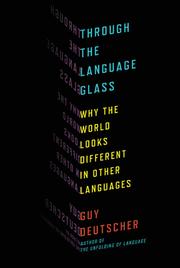
Through the language glass by 11934455|Guy Deutscher book cover

πŸ“˜ Through the language glass

Guy Deutscher explores how culture and language influence each other, arguing that linguistic structures shape thought and that our experience of the world depends on wordsβ€”and that words are shaped by cultural practices.

β˜…β˜…β˜…β˜…β˜…β˜…β˜…β˜…β˜…β˜… 3.9 (8 ratings)
Similar? ✓ Yes 0 ✗ No 0
Wordslut by 11979724|Amanda Montell book cover

πŸ“˜ Wordslut


β˜…β˜…β˜…β˜…β˜…β˜…β˜…β˜…β˜…β˜… 3.8 (4 ratings)
Similar? ✓ Yes 0 ✗ No 0
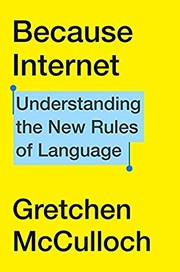
Because Internet by 12034344|Gretchen McCulloch book cover

πŸ“˜ Because Internet

Because Internet is for anyone who's ever puzzled over how to punctuate a text message or wondered where memes come from. It's the perfect book for understanding how the internet is changing the English language, why that's a good thing, and what our online interactions reveal about who we are. Language is humanity's most spectacular open-source project, and the internet is making our language change faster and in more interesting ways than ever before. Internet conversations are structured by the shape of our apps and platforms, from the grammar of status updates to the protocols of comments and @replies. Linguistically inventive online communities spread new slang and jargon with dizzying speed. What's more, social media is a vast laboratory of unedited, unfiltered words where we can watch language evolve in real time. Even the most absurd-looking slang has genuine patterns behind it. Internet linguist Gretchen McCulloch explores the deep forces that shape human language and influence the way we communicate with one another. She explains how your first social internet experience influences whether you prefer "LOL" or "lol," why ~sparkly tildes~ succeeded where centuries of proposals for irony punctuation had failed, what emoji have in common with physical gestures, and how the artfully disarrayed language of animal memes like lolcats and doggo made them more likely to spread.

β˜…β˜…β˜…β˜…β˜…β˜…β˜…β˜…β˜…β˜… 4.0 (1 rating)
Similar? ✓ Yes 0 ✗ No 0
The language hoax by 7263667|John H. McWhorter book cover

πŸ“˜ The language hoax

"Japanese has a term that covers both green and blue. Russian has separate terms for dark and light blue. Does this mean that Russians perceive these colors differently from Japanese people? Does language control and limit the way we think, such that each language gives its speakers a different 'worldview?' This opinionated book addresses the Sapir-Whorf hypothesis, which argues that the language we speak shapes the way we perceive the world. Linguist John McWhorter argues that while this idea is mesmerizing, it is plainly wrong... McWhorter shows not only how the idea of language as a lens fails but also why we want so badly to believe it: we're eager to celebrate diversity by acknowledging the intelligence of peoples who may not think like we do. Though well-intentioned, our belief in this idea poses an obstacle to a better understanding of human nature and even trivializes the people we seek to celebrate. The reality--that all humans think alike--provides another, better way for us to acknowledge the intelligence of all peoples."--book jacket.

β˜…β˜…β˜…β˜…β˜…β˜…β˜…β˜…β˜…β˜… 3.0 (1 rating)
Similar? ✓ Yes 0 ✗ No 0
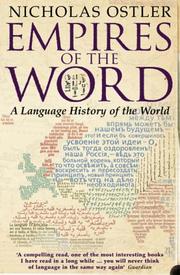
Empires of the Word by 4710696|Nicholas Ostler book cover

πŸ“˜ Empires of the Word


β˜…β˜…β˜…β˜…β˜…β˜…β˜…β˜…β˜…β˜… 0.0 (0 ratings)
Similar? ✓ Yes 0 ✗ No 0
The life of Raymond Chandler by 12925163|Frank MacShane book cover

πŸ“˜ The life of Raymond Chandler


β˜…β˜…β˜…β˜…β˜…β˜…β˜…β˜…β˜…β˜… 0.0 (0 ratings)
Similar? ✓ Yes 0 ✗ No 0
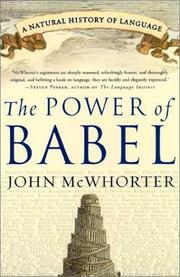
The power of Babel by 7263667|John H. McWhorter book cover

πŸ“˜ The power of Babel

"There are approximately six thousand languages on Earth today, each a descendant of the tongue first spoken by Homo sapiens some 150,000 years ago. How did they all develop? What happened to the first language?". "In this tour of territory too often claimed by stodgy grammarians, linguistics professor John McWhorter ranges across linguistic theory, geography, history, and pop culture to tell the fascinating story of how thousands of very different languages have evolved from a single, original source in a natural process similar to biological evolution. While laying out how languages mix and mutate over time, he reminds us of the variety within the species that speaks them, and argues that, contrary to popular perception, language is not immutable and hidebound, but a living, dynamic entity that adapts itself to an ever-changing human environment.". "Full of humor and imaginative insight, The Power of Babel draws its illustrative examples from languages around the world, including pidgins, creoles, and nonstandard dialects. McWhorter also discusses current theories on what the first language might have been like, why dialects should not be considered "bad speech," and why most of today's languages will be extinct within one hundred years.". "The first book written for the layperson about the natural history of language, The Power of Babel is a dazzling tour de force that will leave readers anything but speechless."--BOOK JACKET.

β˜…β˜…β˜…β˜…β˜…β˜…β˜…β˜…β˜…β˜… 0.0 (0 ratings)
Similar? ✓ Yes 0 ✗ No 0
The etymologicon by 8081508|Mark Forsyth book cover

πŸ“˜ The etymologicon

Springing from writer and journalist Mark Forsyth's hugely popular blog The Inky Fool and including word-connection parlour games perfect for any word-lovers get-together, The Etymologicon is a brilliant map of the secret labyrinth that lurks beneath the English language. There's always a connection. Sometimes, it's obvious: an actor's role was once written on a roll of parchment, and cappuccinos are the same color as the robes of a Capuchin monk. Sometimes the connection is astonishing and a little more hidden: who would have guessed that your pants and panties are named after Saint Pantaleon, the all-compassionate?

β˜…β˜…β˜…β˜…β˜…β˜…β˜…β˜…β˜…β˜… 0.0 (0 ratings)
Similar? ✓ Yes 0 ✗ No 0
Why I read by 6621848|Wendy Lesser book cover

πŸ“˜ Why I read

Wendy Lesser’s thoughtful essay collection celebrates the joys and surprises of reading, drawing on her lifelong love of books and experience editing The Threepenny Review.

β˜…β˜…β˜…β˜…β˜…β˜…β˜…β˜…β˜…β˜… 0.0 (0 ratings)
Similar? ✓ Yes 0 ✗ No 0

Some Other Similar Books

The Language Instinct by Steven Pinker
The Language of Thought by Jerry Fodor
The Art of Language Inventions by David J. Peterson

Have a similar book in mind? Let others know!

Please login to submit books!