The Tipping Point
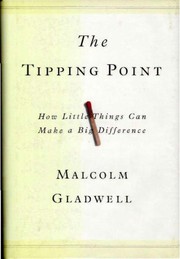
Malcolm Gladwell explains how small changes can trigger massive social shifts, using ideas, products, and behaviors that spread like epidemics to...
Is this book similar?
Books like this one
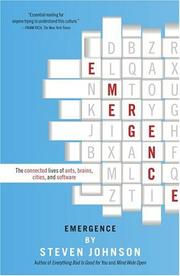
Emergence describes how interconnected systems of simple elements give rise to intelligent, adaptive behavior without top‑down design. Johnson traces this process across diverse examples such as ant colonies, cities, brains, and immune systems, illustrating how lower‑level agents produce higher‑level structures. Drawing on a tradition of works like *Being Digital* and *The Tipping Point*, he guides readers through the discovery of emergent phenomena and their implications for contemporary society and technology.
Discover your next read
Compare books other readers have recommended. Vote to help improve these suggestions.
Looking for more books like Emergence by Steven Johnson? This list brings together suggested alternatives and feedback from SimilarBooks readers. Ratings reflect what readers think of each individual book, while the Yes and No votes show whether visitors consider it a good match for this title. Compare the recommendations below and suggest another book to help fellow readers discover their next read.
Malcolm Gladwell explains how small changes can trigger massive social shifts, using ideas, products, and behaviors that spread like epidemics to...
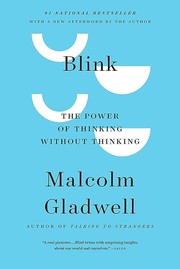
Explores how rapid judgments—‘the blink’—are shaped by experience and environmental cues, showing how we can sharpen intuition to improve decisio...

Alice Walker's 1982 novel, The Color Purple, won the Pulitzer Prize and National Book Award, exploring the lives of black women in the South and ...

An unforgettable love story in a future overrun by genetic engineering.
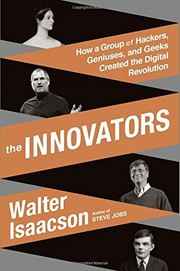
Walter Isaacson chronicles the minds that forged the digital age, from Ada Lovelace to Larry Page, showing how vision, collaboration, and enginee...

Joseph Conrad’s 1900 novella follows a young English officer who, after a moment of cowardice, seeks redemption on the high seas, blending seafar...

John Allen Paulos examines mathematical illiteracy—innumeracy—as the modern equivalent of being unable to read, showing how even educated people ...

Exploring the science of sex through candid interviews and groundbreaking research
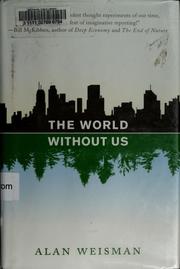
Explore how human activity reshapes Earth’s ecosystems, leaving a legacy of environmental change and potential decline.
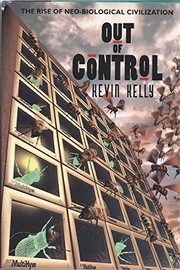
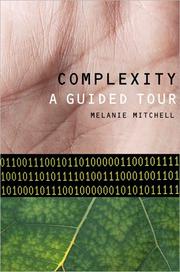

Maira Kalman’s The Principles of Uncertainty offers a reflective, illustrated exploration of travel, philosophy, and political perspective set ag...
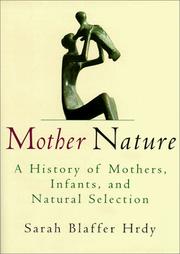
"Mother Nature presents a radical new way of understanding how mothers act and why, and how this new understanding is changing the way scientists...
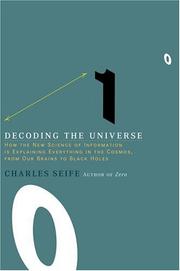
Charles Seife explains how information theory, once the realm of codebreakers, now drives discoveries from DNA to cosmology, weaving cryptology, ...

J.
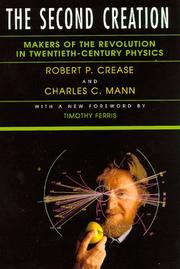
A biography of the physicists who sought a unified theory of physics.
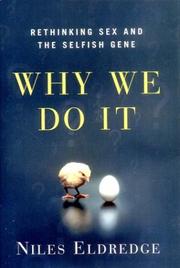
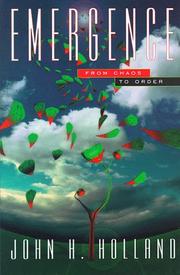
From one of today's most innovative thinkers comes the first book to carefully explore emergence - a surprisingly simple notion (the whole is mor...

"Albert-Laszlo Barabasi, the nation's foremost expert in the new science of networks, takes us on an intellectual adventure to prove that social ...
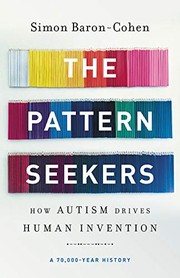
Simon Baron‑Cohen argues that the genes behind autism have fueled human ingenuity for 70,000 years, from early tools to the digital age, and urge...
The Structure of Scientific Revolutions by Thomas S. Kuhn.
New York Times reviewed, Systems engineering, Long Now Manual for Civilization, Self-organizing systems, Swarm intelligence
Community ratings describe each book independently. Similarity votes measure whether readers consider a recommendation a good match for this particular title; results can change as more visitors share feedback.
Suggest another book below, or vote Yes or No on any existing recommendation.
Share your suggestion →Readers make discovery better
Share a recommendation and help other readers discover their next great read.