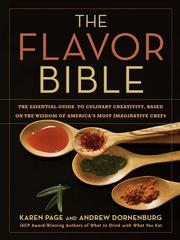
The flavor bible
The Flavor Bible is a definitive culinary reference that teaches chefs and home cooks how to season ingredients for maximum flavor, drawing on th...
Is this book similar?
Books like this one
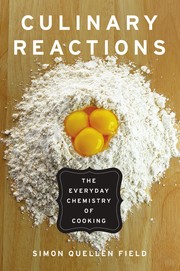
"When you're cooking, you're a chemist! Every time you follow or modify a recipe you are experimenting with acids and bases, emulsions and suspensions, gels and foams. In your kitchen you denature proteins, crystallize compounds, react enzymes with substrates, and nurture desired microbial life while suppressing harmful microbes. And unlike in a laboratory, you can eat your experiments to verify your hypotheses. In Culinary Reactions, author Simon Field explores the chemistry behind the recipes you follow every day. How does altering the ratio of flour, sugar, yeast, salt, butter, and water affect how high bread rises? Why is whipped cream made with nitrous oxide rather than the more common carbon dioxide? And why does Hollandaise sauce fall for "clarified" butter? This easy-to-follow primer even includes recipes to demonstrate the concepts being discussed, including Whipped Creamsicle Topping (a foam), Cherry Dream Cheese (a protein gel), and Lemonade with Chameleon Eggs (an acid indicator). It even shows you how to extract DNA from a Halloween pumpkin. You'll never look at your graduated cylinders, Bunsen burners, and beakers. er, measuring cups, stovetop burners, and mixing bowls. the same way again"-- "When you're cooking, you're a chemist! Every time you follow or modify a recipe, you are experimenting with acids and bases, emulsions and suspensions, gels and foams. In your kitchen you denature proteins, crystallize compounds, react enzymes with substrates, and nurture desired microbial life while suppressing harmful microbes. And unlike in a laboratory, you can eat your experiments to verify your hypotheses. In CULINARY REACTIONS, author Simon Field explores the chemistry behind the recipes you follow every day. How does altering the ratio of flour, sugar, yeast, salt, butter, and water affect how high bread rises? Why is whipped cream made with nitrous oxide rather than the more common carbon dioxide? And why does Hollandaise sauce call for "clarified" butter? This easy-to-follow primer even includes recipes to demonstrate the concepts being discussed, including Whipped Creamsicle Topping (a foam), Cherry Dream Cheese (a protein gel), and Lemonade with Chameleon Eggs (an acid indicator). It even shows you how to extract DNA from a Halloween pumpkin. You'll never look at your graduated cylinders, Bunsen burners, and beakers--er, measuring cups, stovetop burners, and mixing bowls--the same way again"--
Discover your next read
Compare books other readers have recommended. Vote to help improve these suggestions.
Looking for more books like Culinary reactions by Simon Field? This list brings together suggested alternatives and feedback from SimilarBooks readers. Ratings reflect what readers think of each individual book, while the Yes and No votes show whether visitors consider it a good match for this title. Compare the recommendations below and suggest another book to help fellow readers discover their next read.
The Flavor Bible is a definitive culinary reference that teaches chefs and home cooks how to season ingredients for maximum flavor, drawing on th...


"Blending a fascinating personal history with dramatic historical events, this book brings long-overdue attention to a brilliant woman whose work...
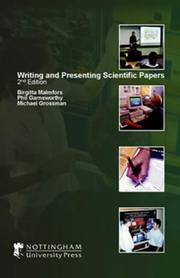
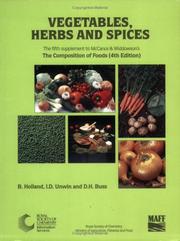


"Get answers to all your cooking science questions, and cook tastier, more nutritious food using fundamental principles, practical advice, and st...

Science, Chemistry, Food, Analysis, Reference
Community ratings describe each book independently. Similarity votes measure whether readers consider a recommendation a good match for this particular title; results can change as more visitors share feedback.
Suggest another book below, or vote Yes or No on any existing recommendation.
Share your suggestion →Readers make discovery better
Share a recommendation and help other readers discover their next great read.