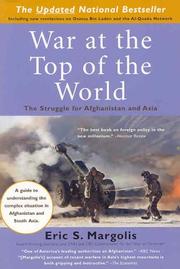
War at the top of the world
The author is a leading specialist on South Asia; this book takes the reader through the geopolitical complexities of this area.
Is this book similar?

Books like this one
On 20 October 1962, high in the Himalayas on the banks of the fast-flowing Nam Ka Chu, over 400 Indian soldiers were massacred and the valley was overrun by soldiers of China’s People’s Liberation Army. Over the course of the next month, nearly 4,000 soldiers were killed on both sides and the Indian Army experienced its worst defeat ever. The conflict (war was never formally declared) ended because China announced a unilateral ceasefire on 21 November and halted its hitherto unhindered advance across NEFA and Ladakh. To add to India’s lasting shame, neither Prime Minister Jawaharlal Nehru nor the Indian Army was even aware that the ‘war’ had ended until they heard the announcement on the radio—despite the Indian embassy having been given the information two days earlier.This conflict continues to be one of our least understood episodes. Many books have been written on the events of the time, usually by those who were involved in some way, anxious to provide justification for their actions. These accounts have only succeeded in muddying the picture further. What is clear is that 1962 was an unmitigated disaster. The terrain on which most of the battles were fought (or not fought) was remote and inaccessible; the troops were sorely underequipped, lacking even warm clothing; and the men and officers who tried to make a stand were repeatedly let down by their political and military superiors. Time and again, in Nam Ka Chu, Bum-la, Tawang, Se-la, Thembang, Bomdila—all in the Kameng Frontier Division of NEFA in the Eastern Sector—and in Ladakh and Chusul in the Western Sector, our forces were mismanaged, misdirected or left to fend for themselves. If the Chinese Army hadn’t decided to stop its victorious campaign, the damage would have been far worse.In this definitive account of the conflict, based on dozens of interviews with soldiers and numerous others who had a first-hand view of what actually happened in 1962, Shiv Kunal Verma takes us on an uncomfortable journey through one of the most disastrous episodes of independent India’s history.
Discover your next read
Compare books other readers have recommended. Vote to help improve these suggestions.
Looking for more books like 1962 The War That Wasn't by Shiv Kumal Verma? This list brings together suggested alternatives and feedback from SimilarBooks readers. Ratings reflect what readers think of each individual book, while the Yes and No votes show whether visitors consider it a good match for this title. Compare the recommendations below and suggest another book to help fellow readers discover their next read.
The author is a leading specialist on South Asia; this book takes the reader through the geopolitical complexities of this area.
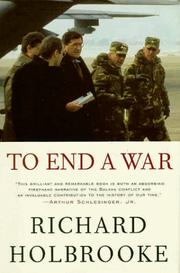
The former assistant secretary of state and architect of the Dayton peace accords recounts his efforts to bring the war in Bosnia to an end, trac...

Military relations, Sino-Indian Border Dispute, 1957-, Conflit frontalier sino-indien, 1957-
Community ratings describe each book independently. Similarity votes measure whether readers consider a recommendation a good match for this particular title; results can change as more visitors share feedback.
Suggest another book below, or vote Yes or No on any existing recommendation.
Share your suggestion →Readers make discovery better
Share a recommendation and help other readers discover their next great read.