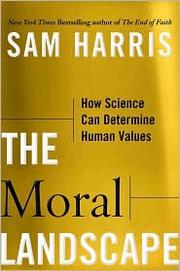
The Moral Landscape
Sam Harris argues that science can uncover objective moral truths and guide us toward decisions that maximize human well‑being, drawing on neuros...
Is this book similar?
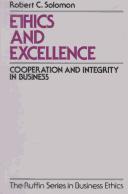
Books like this one
The Greek philosopher Aristotle, writing over two thousand years before Wall Street, called people who engaged in activities which did not contribute to society "parasites." In his latest work, renowned scholar Robert C. Solomon asserts that though capitalism may require capital, but it does not require, much less should it be defined by the parasites it inevitably attracts. Capitalism has succeeded not with brute strength or because it has made people rich, but because it has produced responsible citizens and--however unevenly--prosperous communities. It cannot tolerate a conception of business that focuses solely on income and vulgarity while ignoring traditional virtues of responsibility, community, and integrity. Many feel that there is too much lip-service and not enough understanding of the importance of cooperation and integrity in corporate life. This book rejects the myths and metaphors of war-like competition that cloud business thinking and develops an "Aristotelean" theory of business. The author's approach emphasizes several core concepts: the corporation as community, the search for excellence, the importance of integrity and sound judgment, as well as a more cooperative and humane vision of business. Solomon stresses the virtues of honesty, trust, fairness, and compassion in the competitive business world, and confronts the problem of "moral mazes" and what he posits as its solution--moral courage.
Discover your next read
Compare books other readers have recommended. Vote to help improve these suggestions.
Looking for more books like Ethics and Excellence by Robert C. Solomon? This list brings together suggested alternatives and feedback from SimilarBooks readers. Ratings reflect what readers think of each individual book, while the Yes and No votes show whether visitors consider it a good match for this title. Compare the recommendations below and suggest another book to help fellow readers discover their next read.
Sam Harris argues that science can uncover objective moral truths and guide us toward decisions that maximize human well‑being, drawing on neuros...
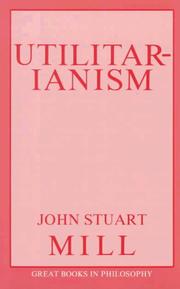
A concise defense of utilitarianism by John Stuart Mill, presented with contextual introductions and supplementary appendices that trace its hist...



xiv, 505 pages ; 24 cm


Business ethics
Community ratings describe each book independently. Similarity votes measure whether readers consider a recommendation a good match for this particular title; results can change as more visitors share feedback.
Suggest another book below, or vote Yes or No on any existing recommendation.
Share your suggestion →Readers make discovery better
Share a recommendation and help other readers discover their next great read.