
A Brief History of Time
Stephen Hawking explains the fundamental physics of the universe—space, time, cosmology, black holes, and the Big Bang—in clear, accessible langu...
Is this book similar?
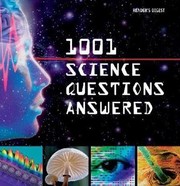
Books like this one
Why do human beings cook their food? What does a gene look like? How do insects see the world? The answers to these intriguing questions and 998 more, ranging from astrology to zoology, are revealed in this fascinating book. Find out everything you want to know about the world around us: our mysterious universe; the human body; the secrets of nature; our changing planet; the everyday world, and the marvels of science and technology. This book will help you keep up with new phenomena and new technology and learn to understand the world around you in a fun and engaging way. Lavishly illustrated, this book is a fund of accessible information for all the family.
Discover your next read
Compare books other readers have recommended. Vote to help improve these suggestions.
Looking for more books like 1001 Science Questions Answered by Reader's Digest? This list brings together suggested alternatives and feedback from SimilarBooks readers. Ratings reflect what readers think of each individual book, while the Yes and No votes show whether visitors consider it a good match for this title. Compare the recommendations below and suggest another book to help fellow readers discover their next read.
Stephen Hawking explains the fundamental physics of the universe—space, time, cosmology, black holes, and the Big Bang—in clear, accessible langu...

Bill Bryson turns the universe into a conversational guide, tracing science from the Big Bang through evolution, geology, chemistry, astronomy, a...

Explains the vision of the universe behind string theory, including new dimensions, black holes, and mysterious phenomena in the cosmos.
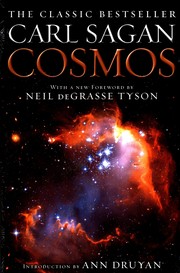
Carl Sagan’s Cosmos traces the history of science and the universe’s evolution, from ancient philosophers to modern discoveries, and explores the...

Explore the quirky and dramatic stories behind every element on the periodic table, from Gandhi’s iodine debate to Marie Curie’s radium woes and ...
Stephen Hawking explores the cutting edge of theoretical physics in layman’s terms, guiding readers through the mysteries that shape our universe.

Science
Community ratings describe each book independently. Similarity votes measure whether readers consider a recommendation a good match for this particular title; results can change as more visitors share feedback.
Suggest another book below, or vote Yes or No on any existing recommendation.
Share your suggestion →Readers make discovery better
Share a recommendation and help other readers discover their next great read.