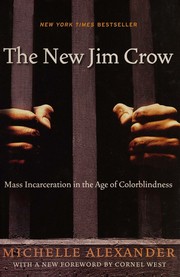
The New Jim Crow
Michelle Alexander argues that mass incarceration has become a contemporary system of racial control, striking disproportionately at African‑Amer...
Is this book similar?

Books like this one
Behind the Mask of Chivalry brings the "invisible phalanx" of the Ku Klux Klan of the 1920s into broad daylight, culling from history the names, the life stories, and the driving motivations of the anonymous Klansmen beneath the white hoods and robes. Author Nancy MacLean exposes the inner workings of the Klan movement, and explains how it was able to attract millions of American men. Using an unusual and rich cache of internal Klan records from Athens, Georgia to anchor her observations, she combines a fine-grained portrait of a local Klan world with a penetrating analysis of the movement's ideas and politics nationwide. The result is a new, multi-dimensional understanding of the social conditions, cultural currents, and ordinary men that built this archetypal American reactionary movement. This book reveals how and why the Klan achieved a level of power and influence unmatched by any other American right-wing movement. The second Klan mobilized a nationwide following largely through campaigns waged over concerns that today would be called "family values": Prohibition violation, premarital sex, lewd movies, anxieties about women's changing roles, and worries over waning parental authority. Issues of gender and family life were essential to the movement. Yet, MacLean shows, crusades over "morals" always operated in the service of the Klan's larger agenda of virulent racial hatred and middle-class revanchism. The men who deplored sex among young people and sought to restore the power of husbands and fathers also wanted to make the U.S. a "white man's country," by taking the vote from blacks and barring immigrants. In vigilante terror, Klansmen acted out their movement's driving, brutal determination to maintain inherited hierarchies of race, class, and gender. Comparing the Klan to European fascist movements that grew out of the crucible of the First World War, MacLean maintains that the remarkable scope and frenzy of the movement is less a measure of members' power within their communities, than of the challenges to that power posed by African Americans, immigrants, Jews, Catholics, labor, and white women and youth who did not obey the Klan's canon of appropriate conduct. Powerfully written and impeccably researched, Behind the Mask of Chivalry is a model examination of the interaction of race, class, and gender, and an unforgettable investigation of a crucial era in American history.
Discover your next read
Compare books other readers have recommended. Vote to help improve these suggestions.
Looking for more books like Behind the mask of chivalry by Nancy MacLean? This list brings together suggested alternatives and feedback from SimilarBooks readers. Ratings reflect what readers think of each individual book, while the Yes and No votes show whether visitors consider it a good match for this title. Compare the recommendations below and suggest another book to help fellow readers discover their next read.
Michelle Alexander argues that mass incarceration has become a contemporary system of racial control, striking disproportionately at African‑Amer...

Richard Rothstein’s *The Color of Law* uncovers how federal, state, and local policies deliberately created and maintained racial segregation in ...

Detective Ron Stallworth became the first black officer in Colorado Springs and went undercover in 1978 to infiltrate the Ku Klux Klan, uncoverin...

Daryl Davis, a Grammy‑awarded pianist, embarks on a courageous mission to meet and build a friendship with a Ku Klux Klan leader, using music to ...
Douglas A.


The Lynching tells the true story of the 1981 murder of Michael Donald by the KKK and the trials that brought the Klan to its knees, revealing th...
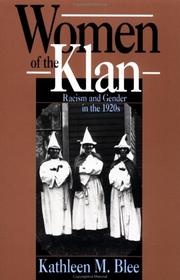
Ignorant. Brutal. Male. One of these stereotypes of the Ku Klux Klan offer a misleading picture.

Social conditions, Race relations, Geschichte, Ku Klux Klan, United states, race relations
Community ratings describe each book independently. Similarity votes measure whether readers consider a recommendation a good match for this particular title; results can change as more visitors share feedback.
Suggest another book below, or vote Yes or No on any existing recommendation.
Share your suggestion →Readers make discovery better
Share a recommendation and help other readers discover their next great read.