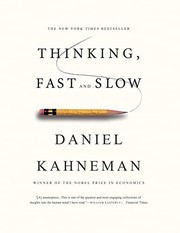
Thinking, fast and slow
Daniel Kahneman's "Thinking, Fast and Slow" explains how two distinct mental systems shape our judgments and decisions, offering insights into th...
Is this book similar?
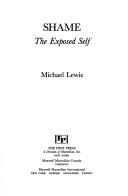
Books like this one
Shame, in some sense the quintessential human emotion, received little attention during the years in which the central forces believed to be motivating us were identified as primitive instincts like sex and aggression. Now redressing the balance, there is an explosion of interest in the self-conscious emotion. Much of our psychic lives involves the negotiation of shame, asserts Michael Lewis, internationally known developmental and clinical psychologist. Shame is normal, not pathological, though opposite reactions to shame underlie many conflicts among individuals and groups, and some styles of handling shame are clearly maladaptive. Illustrating his argument with examples from everyday life, Lewis draws on his own pathbreaking studies and the theory and research of many others to construct the first comprehensive and empirically based account of emotional development focused on shame. He traces the precursors of a sense of self in infancy and early childhood, and describes the consequences of shame which goes unacknowledged, such as sadness, rage, or depression. Lewis also explores the many ways in which shame is induced and expressed, reflecting on the broader implications of these differences--for instance, the divergence, early in life, of men's and women's experiences of and responses to shame; he finds that women are more ashamed, more of the time. Cultures, Lewis argues, are shaped by the ways in which children are taught to deal with shame. What many have seen as a rise in narcissism in contemporary America, following years of emphasis on self-actualization and personal freedom as opposed to commitment and community is associated with an increase in shame. Narcissism is in some sense the ultimate attempt to avoid shame, albeit a doomed one. Lewis shows how approaches to shame differ not only among cultures, but religions as well. Judaism and Christianity for instance, hold different approaches to shame. He explores the major tenets of each belief including mainstream Protestantism, Catholicism, and fundamentalist Christianity and discusses the relative degree of orientation of each toward shame or guilt. Understanding shame is the first step toward coping with it effectively. This book offers a new way of understanding fights between husband and wife, parent and child, nation and nation, and it will be, for many a crucial impetus to take or to help others take that first step.
Discover your next read
Compare books other readers have recommended. Vote to help improve these suggestions.
Looking for more books like Shame by Michael Lewis? This list brings together suggested alternatives and feedback from SimilarBooks readers. Ratings reflect what readers think of each individual book, while the Yes and No votes show whether visitors consider it a good match for this title. Compare the recommendations below and suggest another book to help fellow readers discover their next read.
Daniel Kahneman's "Thinking, Fast and Slow" explains how two distinct mental systems shape our judgments and decisions, offering insights into th...
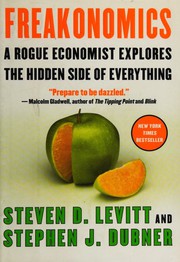
Freakonomics reveals how hidden incentives shape everyday life, from crime to education, using data-driven insights that challenge conventional w...

A tale of baseball and economics

Michael Lewis explains how the 2008 financial crisis unfolded, focusing on subprime mortgages, CDOs, and the people who bet against the collapsin...


A practical guide that demystifies the mental game of tennis, teaching players to relax, focus, and eliminate counterproductive habits for peak p...
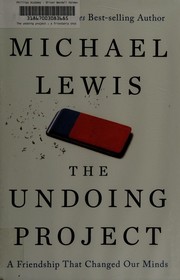
A deep dive into how behavioral economics reshaped our understanding of decision making through pioneering Israeli psychological research and its...

A candid, semi‑autobiographical look at 1980s Wall Street, following Michael Lewis from Princeton art history student to bond salesman at Salomon...
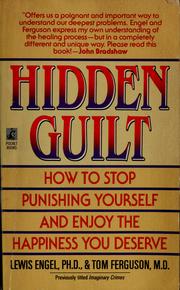
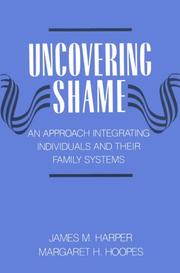
Case studies, Shame
Community ratings describe each book independently. Similarity votes measure whether readers consider a recommendation a good match for this particular title; results can change as more visitors share feedback.
Suggest another book below, or vote Yes or No on any existing recommendation.
Share your suggestion →Readers make discovery better
Share a recommendation and help other readers discover their next great read.