
A Brief History of Time
Stephen Hawking explains the fundamental physics of the universe—space, time, cosmology, black holes, and the Big Bang—in clear, accessible langu...
Is this book similar?

Books like this one
Young children are natural scientists at play. While they bake mud pies and pour and measure water, they are observing, theorizing and developing science skills, as well as having fun. Children two to eight years old will thrive on the many open-ended science experiences including: ice and bubbles, compost and seeds, magnets and gears, potions and plant prints and more.
Discover your next read
Compare books other readers have recommended. Vote to help improve these suggestions.
Looking for more books like Sandbox scientist by Michael Elsohn Ross? This list brings together suggested alternatives and feedback from SimilarBooks readers. Ratings reflect what readers think of each individual book, while the Yes and No votes show whether visitors consider it a good match for this title. Compare the recommendations below and suggest another book to help fellow readers discover their next read.
Stephen Hawking explains the fundamental physics of the universe—space, time, cosmology, black holes, and the Big Bang—in clear, accessible langu...
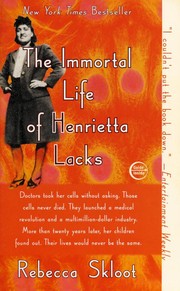
The Immortal Life of Henrietta Lacks follows the story of Henrietta Lacks, a poor black tobacco farmer whose cancer cells were taken in 1951 with...
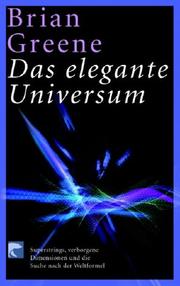
Explains the vision of the universe behind string theory, including new dimensions, black holes, and mysterious phenomena in the cosmos.
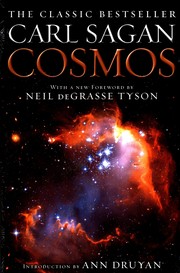
Carl Sagan’s Cosmos traces the history of science and the universe’s evolution, from ancient philosophers to modern discoveries, and explores the...
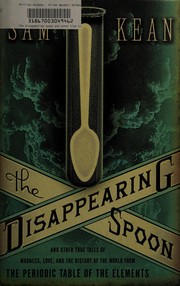
Explore the quirky and dramatic stories behind every element on the periodic table, from Gandhi’s iodine debate to Marie Curie’s radium woes and ...

Explore dozens of kid‑friendly science experiments using everyday items, guided by high‑school teacher Tom Robinson.
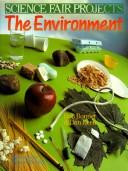
Science experiments for children's science fairs and projects, featuring simple projects around space science, astronomy, and physics experiments...

Why does Silly Putty stick to your refrigerator door? How can the lining of a diaper absorb so much liquid? Why do some plastic food wraps work b...

Are trees social beings? Forester and author Peter Wohlleben makes the case that, yes, the forest is a social network.
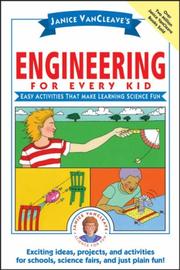
Now you can discover the answers to these and many other fascinating questions about engineering for yourself with this fun-filled resource.
Science, Juvenile literature, Nonfiction, Experiments, Juvenile Nonfiction
Community ratings describe each book independently. Similarity votes measure whether readers consider a recommendation a good match for this particular title; results can change as more visitors share feedback.
Suggest another book below, or vote Yes or No on any existing recommendation.
Share your suggestion →Readers make discovery better
Share a recommendation and help other readers discover their next great read.