
The Psychology of Everyday Things
The Psychology of Everyday Things explores how design facilitates communication between objects and users, emphasizing intuitive guidance and use...
Is this book similar?

Books like this one
In *Becoming Evil*, James Waller explores the psychological foundations of extraordinary human evil through a series of case studies and theoretical models. Beginning with the nature of extreme cruelty and historical lessons from places such as Mauthausen, Babi Yar, and Srebrenica, he examines how ideology, personality traits, and social context combine to make ordinary people capable of monstrous acts. The book concludes with reflections on the possibility of preventing future atrocities.
Discover your next read
Compare books other readers have recommended. Vote to help improve these suggestions.
Looking for more books like Becoming Evil by James Waller? This list brings together suggested alternatives and feedback from SimilarBooks readers. Ratings reflect what readers think of each individual book, while the Yes and No votes show whether visitors consider it a good match for this title. Compare the recommendations below and suggest another book to help fellow readers discover their next read.
The Psychology of Everyday Things explores how design facilitates communication between objects and users, emphasizing intuitive guidance and use...
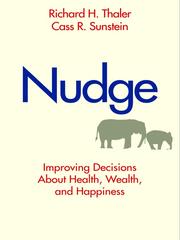
Nudge offers a practical guide to libertarian paternalism, showing how subtle design changes can help people make wiser decisions without restric...

Overestimates of violence beg the question: is modern society the most peaceful era? Steven Pinker argues that, through centuries of decline, vio...


"This is the first comprehensive text on social psychological approaches to communication, providing an excellent introduction to theoretical per...
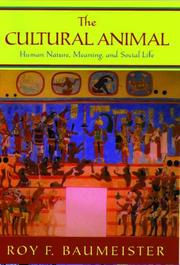

Evil Serial Killers offers a factual exploration of fifty of the world's most notorious serial murderers, examining the motives and behaviors tha...

Erich Fromm examines how modern societies foster dependence on authority, ultimately leading to the loss of freedom and the rise of totalitariani...
Psychology, Psychological aspects, Nonfiction, Genocide, Social psychology
Community ratings describe each book independently. Similarity votes measure whether readers consider a recommendation a good match for this particular title; results can change as more visitors share feedback.
Suggest another book below, or vote Yes or No on any existing recommendation.
Share your suggestion →Readers make discovery better
Share a recommendation and help other readers discover their next great read.