
A short history of nearly everything
Bill Bryson turns the universe into a conversational guide, tracing science from the Big Bang through evolution, geology, chemistry, astronomy, a...
Is this book similar?

Books like this one
What Is Science? invites readers to discover the fundamental fields that comprise modern scientific inquiry. Through a collection of essays and lectures, thinkers and scholars explain the principles of mathematics, astronomy, cosmology, physics, chemistry, biology, psychology, and anthropology. The book presents primary source material that illuminates how each discipline contributes to our understanding of the natural world and human society.
Discover your next read
Compare books other readers have recommended. Vote to help improve these suggestions.
Looking for more books like What is science? by James Roy Newman? This list brings together suggested alternatives and feedback from SimilarBooks readers. Ratings reflect what readers think of each individual book, while the Yes and No votes show whether visitors consider it a good match for this title. Compare the recommendations below and suggest another book to help fellow readers discover their next read.
Bill Bryson turns the universe into a conversational guide, tracing science from the Big Bang through evolution, geology, chemistry, astronomy, a...

The Immortal Life of Henrietta Lacks follows the story of Henrietta Lacks, a poor black tobacco farmer whose cancer cells were taken in 1951 with...
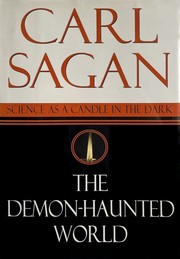
Carl Sagan’s classic work urges critical thinking, exposing the myths of pseudoscience—from witchcraft to UFOs—and arguing that scientific litera...
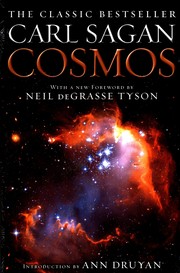
Carl Sagan’s Cosmos traces the history of science and the universe’s evolution, from ancient philosophers to modern discoveries, and explores the...
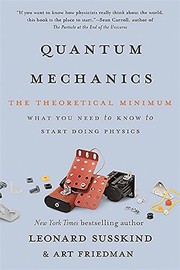
A clear, mathematically grounded introduction to the principles of quantum mechanics, covering topics from uncertainty and time dependence to par...

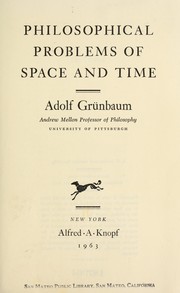
A rigorous exploration of how modern scientific advances reshape our philosophical notions of space, time, and causality.
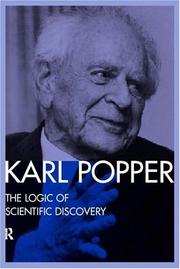
When first published in 1959, this book revolutionized contemporary thinking about science and knowledge.
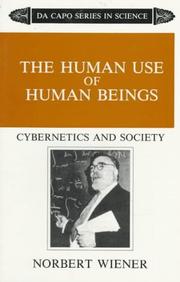
Norbert Wiener’s landmark work explores how cybernetics— the study of communication and control in machines and living systems—will reshape educa...
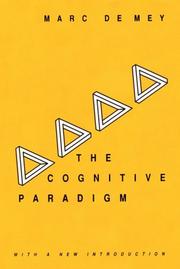

The Structure of Scientific Revolutions by Thomas S. Kuhn.
Science, Popular works, Sciences, Sociale aspecten, Wetenschapsfilosofie
Community ratings describe each book independently. Similarity votes measure whether readers consider a recommendation a good match for this particular title; results can change as more visitors share feedback.
Suggest another book below, or vote Yes or No on any existing recommendation.
Share your suggestion →Readers make discovery better
Share a recommendation and help other readers discover their next great read.