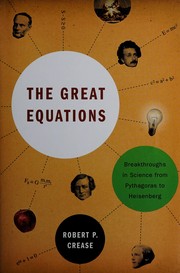
The great equations
Discover 10 of the greatest equations in Western history from Robert P. Crease.
Is this book similar?
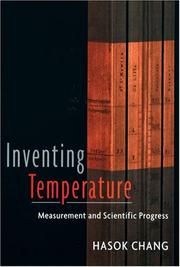
Books like this one
"What is temperature, and how can we measure it correctly? These may seem like simple questions, but the most renowned scientists struggled with them throughout the eighteenth and nineteenth centuries. In Inventing Temperature, Chang examines how scientists first created thermometers; how they measured temperature beyond the reach of standard thermometers; and how they managed to assess the reliability and accuracy of these instruments without a circular reliance on the instruments themselves." "In a discussion that brings together the history of science with the philosophy of science, Chang presents the simple yet challenging epistemic and technical questions about these instruments, and the complex web of abstract philosophical issues surrounding them. Chang's book shows that many items of knowledge that we take for granted now are in fact spectacular achievements, obtained only after a great deal of innovative thinking, painstaking experiments, bold conjectures, and controversy. Lurking behind these achievements are some very important philosophical questions about how and when people accept the authority of science."--Jacket.
Discover your next read
Compare books other readers have recommended. Vote to help improve these suggestions.
Looking for more books like Inventing Temperature by Hasok Chang? This list brings together suggested alternatives and feedback from SimilarBooks readers. Ratings reflect what readers think of each individual book, while the Yes and No votes show whether visitors consider it a good match for this title. Compare the recommendations below and suggest another book to help fellow readers discover their next read.
Discover 10 of the greatest equations in Western history from Robert P. Crease.
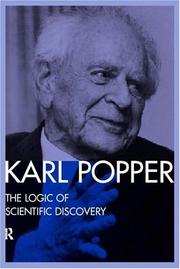
When first published in 1959, this book revolutionized contemporary thinking about science and knowledge.
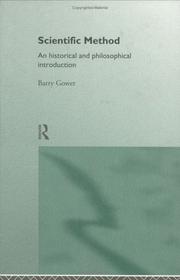
The results, conclusions and claims of natural science are often taken to be reliable because they arise from the use of a distinctive method.

The Structure of Scientific Revolutions by Thomas S. Kuhn.
History, Science, Philosophy, Long Now Manual for Civilization, Interdisciplinary approach to knowledge
Community ratings describe each book independently. Similarity votes measure whether readers consider a recommendation a good match for this particular title; results can change as more visitors share feedback.
Suggest another book below, or vote Yes or No on any existing recommendation.
Share your suggestion →Readers make discovery better
Share a recommendation and help other readers discover their next great read.