
Strangers in their own land
Arlie Hochschild explores why voters in traditionally conservative regions support policies that seem contrary to their economic interests, using...
Is this book similar?
Books like this one
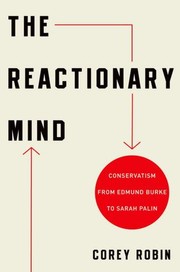
Late in life, William F. Buckley made a confession to Corey Robin. Capitalism is "boring," said the founding father of the American right. "Devoting your life to it," as conservatives do, "is horrifying if only because it's so repetitious. It's like sex." With this unlikely conversation began Robin's decade-long foray into the conservative mind. What is conservatism, and what's truly at stake for its proponents? If capitalism bores them, what excites them? Tracing conservatism back to its roots in the reaction against the French Revolution, Robin argues that the right is fundamentally inspired by a hostility to emancipating the lower orders. Some conservatives endorse the free market, others oppose it. Some criticize the state, others celebrate it. Underlying these differences is the impulse to defend power and privilege against movements demanding freedom and equality. Despite their opposition to these movements, conservatives favor a dynamic conception of politics and society--one that involves self-transformation, violence, and war. They are also highly adaptive to new challenges and circumstances. This partiality to violence and capacity for reinvention has been critical to their success. Written by a keen, highly regarded observer of the contemporary political scene, The Reactionary Mind ranges widely, from Edmund Burke to Antonin Scalia, from John C. Calhoun to Ayn Rand. It advances the notion that all rightwing ideologies, from the eighteenth century through today, are historical improvisations on a theme: the felt experience of having power, seeing it threatened, and trying to win it back. - Publisher.
Discover your next read
Compare books other readers have recommended. Vote to help improve these suggestions.
Looking for more books like The reactionary mind by Corey Robin? This list brings together suggested alternatives and feedback from SimilarBooks readers. Ratings reflect what readers think of each individual book, while the Yes and No votes show whether visitors consider it a good match for this title. Compare the recommendations below and suggest another book to help fellow readers discover their next read.
Arlie Hochschild explores why voters in traditionally conservative regions support policies that seem contrary to their economic interests, using...

Hannah Arendt’s seminal study charts the rise of totalitarianism from 19th‑century anti‑Semitism and European colonialism to the emergence of Naz...
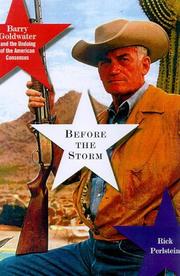
A comprehensive history of the conservative movement in the 1960s through the lens of Barry Goldwater, a presidential candidate who challenged th...

Jan‑Werner Müller examines populism as a rejection of pluralism, arguing that populists claim exclusive moral representation of the people and ca...

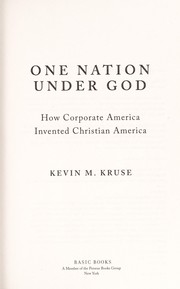
"We're often told that the United States is, was, and always has been a Christian nation. But in One Nation Under God, historian Kevin M.
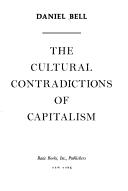
Since its original publication in 1976, The Cultural Contradictions of Capitalism has been hailed as an intellectual tour de force that redefines...
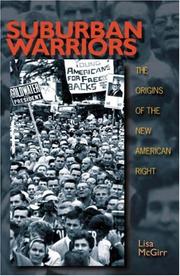
"In the early 1960s, American conservatives seemed to have fallen on hard times.

This monumental work, complete here in one volume, undertakes to determine scientifically what distinctive personality traits characterize the ph...

History, New York Times reviewed, Conservatism, Konservativismus
Community ratings describe each book independently. Similarity votes measure whether readers consider a recommendation a good match for this particular title; results can change as more visitors share feedback.
Suggest another book below, or vote Yes or No on any existing recommendation.
Share your suggestion →Readers make discovery better
Share a recommendation and help other readers discover their next great read.