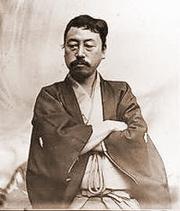
Okakura Kakuzo
Okakura Kakuzo
Okakura Kakuzo (born May 14, 1862, in Yokohama, Japan) was a prominent Japanese scholar, art critic, and philosopher. He played a significant role in promoting Japanese and Asian culture internationally and was influential in integrating Eastern artistic traditions into modern contexts. Known for his deep appreciation of cultural heritage, Okakura's work focused on fostering understanding and appreciation of Asian arts and philosophies.
Personal Name: Okakura, Kakuzō
Birth: 1862
Death: 1913
Okakura Kakuzo Books
(5 Books)
Tea began as a medicine and grew into a beverage. In China, in the eighth century, it entered the realm of poetry as one of the polite amusements. The fifteenth century saw Japan ennoble it into a religion of aestheticism - Teaism. Teaism is a cult founded on the adoration of the beautiful among the sordid facts of everyday existence. It inculcates purity and harmony, the mystery of mutual charity, the romanticism of the social order.
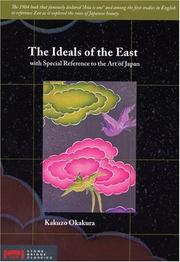
Written at the turn of the 20th century, this work suggests an appreciation of a Japanese sense of beauty, values and way of thinking by introducing the history of Japanese art.